
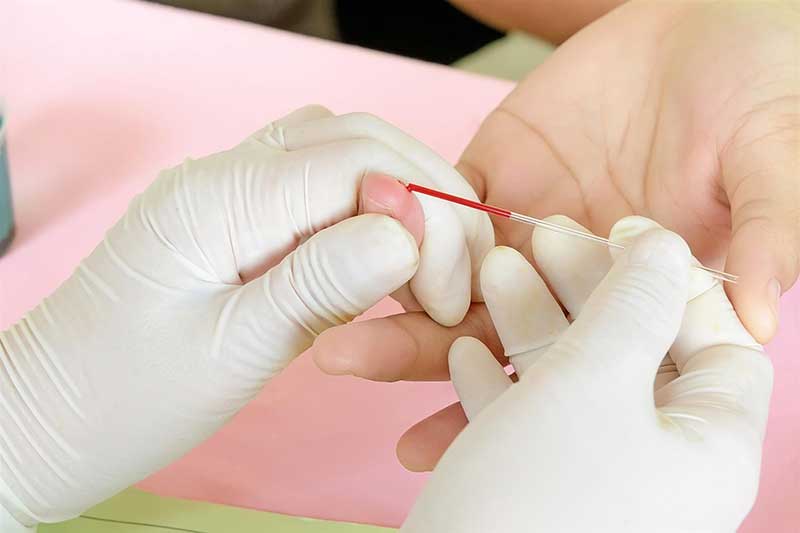
Testing is done using a simple blood test that is immediately processed at the Clinic.
Monitoring: Results are ready within a few minutes.
Medication Dosage Adjustments: Your results will be used to adjust your medications if necessary.
A trained pharmacist will spend time discussing why you are on anticoagulation medication.
You will be counseled about your diet, effects illness can have, safety behaviors, possible interactions between warfarin and other medications, vitamins and herbal remedies.
Our pharmacists will answer any questions you have concerning your anticoagulation therapy.
At the ACC, you will receive quality, individualized care by a team of pharmacists that are committed to improving the management of your anticoagulation therapy.
Individuals respond differently to anticoagulation medication. It is necessary to monitor each patient to make sure they are at safe and therapeutic levels.
The frequency of visits is based on individual patient needs.
The initial appointment takes approximately 40 minutes. Follow up appointments last approximately 20 minutes.
Clinic Information
The Anticoagulation Clinic (ACC) is sometimes referred to as the “Coumadin Clinic.”
The ACC is staffed by pharmacists who are trained in anticoagulation therapy. These pharmacists monitor and manage the medications your medical provider has prescribed to prevent blood clots.
Our Goal: The purpose of the ACC is to provide safe and effective management of anticoagulation therapy on an outpatient basis.
Benefits:
- Proactive Follow‐up if an Appointment is Missed
- Early Recognition and Management of Complications
- Preparation for Medication Interruptions Due to Medical Procedures
- Coordination of Care for Travel
Anticoagulation Clinic – FAQs
What is an Anticoagulation Clinic?
The Bonner General Health Anticoagulation Clinic helps patients safely manage the anticoagulant medication, warfarin, commonly known as Coumadin. Our pharmacists work with your referring provider to monitor your therapy, check your INR, adjust your medication when needed, and provide education and support.
Why do I need to have my blood tested while taking warfarin?
Warfarin dosing is individualized, and its effect can change based on medications, diet, illness, and other factors. An INR test measures how quickly your blood is clotting and helps determine whether your warfarin dose is in the appropriate range. Regular monitoring helps reduce the risk of blood clots and bleeding.
What is an INR?
INR stands for International Normalized Ratio. It is a standardized measurement of how long it takes your blood to clot. Your healthcare provider establishes an INR goal based on why you are taking warfarin.
What happens during an Anticoagulation Clinic visit?
At your visit, a small blood sample is obtained via fingerstick, and your INR is checked. Results are available within minutes. A pharmacist reviews your results along with your medications, health changes, diet, and other factors that may affect your anticoagulation. Your warfarin dose may be adjusted if needed, and you will receive instructions for your next appointment.
How often will I need to visit the clinic?
The frequency of visits depends on your individual needs. Patients may need more frequent monitoring when starting warfarin or when their INR or health status changes. Once therapy is stable, visits may be less frequent.
What conditions may require warfarin therapy?
Warfarin may be prescribed to prevent or treat blood clots associated with conditions such as atrial fibrillation, deep vein thrombosis (DVT), pulmonary embolism (PE), certain heart valve conditions, and other clotting disorders. Your provider will determine whether warfarin is appropriate for you.
Can I eat normally while taking warfarin?
You generally do not need to avoid foods containing vitamin K, but consistency is important. Significant changes in your diet can affect how warfarin works. Your anticoagulation pharmacist can help you understand how diet may affect your INR.
Can other medications affect my warfarin?
Yes. Prescription medications, over-the-counter medications, vitamins, and herbal supplements can affect warfarin. Always tell your healthcare providers and pharmacist about all the medications and supplements you take, and check with them before starting something new, especially antibiotics.
What if I miss a dose of warfarin?
Contact the Anticoagulation Clinic for instructions. Do not double your next dose unless specifically instructed to do so.
What if I am sick or have a change in my health?
Illness can affect your response to warfarin. Contact the Anticoagulation Clinic if you experience a significant illness, especially if you are having difficulty eating or drinking, have vomiting or diarrhea, or are prescribed new medications. Your INR may need to be checked sooner.
What if I need surgery, dental work or another medical procedure?
Tell your healthcare provider and the Anticoagulation Clinic about upcoming procedures. Depending on your situation, your anticoagulation therapy may need to be temporarily adjusted. The BGH Anticoagulation Clinic can help coordinate medication interruptions related to medical procedures.
Can I travel while taking warfarin?
Yes. Travel may require additional planning to ensure you remain on schedule with your medication and INR monitoring. The BGH Anticoagulation Clinic can help coordinate anticoagulation care around travel when needed.
What should I do if I notice unusual bleeding?
Warfarin can increase the risk of bleeding, which is one reason regular monitoring is important. Contact your healthcare provider promptly if you experience unusual or significant bleeding. Severe or uncontrolled bleeding or other emergency symptoms require immediate medical attention.
How do I get referred to the Anticoagulation Clinic?
A referral from your healthcare provider is required. Your provider can complete the Anticoagulation Clinic referral form and send it to our clinic. Once the referral is received, the clinic can work with you to schedule your appointment.
Why should I use an Anticoagulation Clinic instead of having my INR monitored by my regular provider?
The Bonner General Health Anticoagulation Clinic provides specialized, pharmacist-led management of warfarin therapy. In addition to INR testing and medication adjustments, our pharmacists provide individualized education, monitor for medication and dietary interactions, help identify potential complications, and coordinate anticoagulation management around procedures and travel. Your referring provider remains an important part of your care team.